Setting the Scene
The year is 1900.

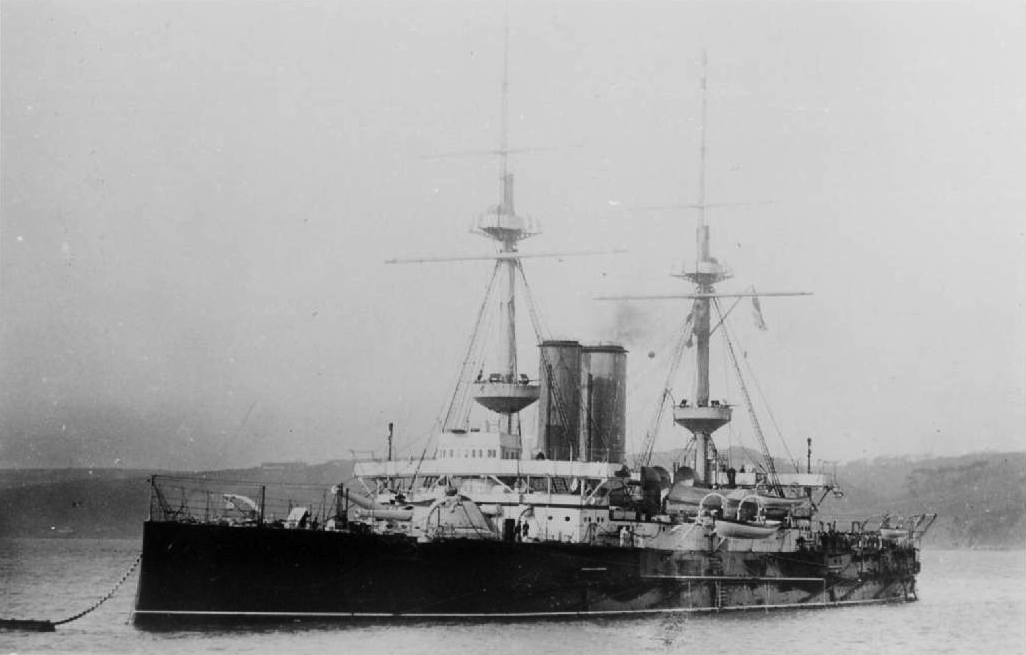
The world stands at the edge of a naval revolution, though few people know it yet. The great battleships of the day are still pre-dreadnoughts: coal-fired, armoured, imposing, and armed with a small number of heavy guns supported by a crowded mixture of smaller weapons. They are symbols of national power as much as weapons of war. A modern battle fleet means prestige, security, influence, and a place among the great powers.
But the old assumptions are beginning to strain.
Guns are growing larger and more accurate. Armour is improving. Engines are becoming more powerful. Torpedoes, mines, submarines, and faster cruisers all raise uncomfortable questions about the future of naval warfare. Every new ship costs a fortune, takes years to build, and may be outclassed before it has served half its career.
No one yet knows exactly what the next generation of battleship will look like.
That uncertainty is the world of Naval Estimates: The Dreadnought Age.
It is a world of dockyards, budgets, naval laws, design committees, colonial stations, coaling routes, great-power rivalries, and national ambition. Fleets are not created overnight. They are built through years of estimates, compromises, technical experiments, and political arguments. A decision made in 1900 can still matter in 1910.
A World Before the Dreadnought
In 1900, the battleship is the centrepiece of naval power.
A first-class navy is expected to possess a battle fleet. A great power is expected to defend its coast, protect its trade, support its colonies, and make its influence felt across the seas. The largest empires require ships that can operate around the world. Smaller powers need fleets suited to local rivalries, coastal defence, or regional prestige.
The question facing every navy is simple to ask and difficult to answer:
“What kind of fleet does the new century require?”
Some countries can afford to build on a grand scale. Others must be selective. Some have global empires to defend. Others have only one sea that truly matters. Some begin with modern shipyards and strong naval traditions. Others begin behind, weakened by defeat, political instability, or limited industry.
The dreadnought revolution has not yet arrived, but the pressures that will create it are already present.
The world is ready for a new kind of battleship.