Nation Overview - Part 2
The Minor Powers
Not every navy in 1900 belongs to a great power.
Some countries have smaller budgets, narrower interests, fewer shipyards, or more limited ambitions. Others are recovering from defeat, guarding distant colonies, or trying to hold their place in a regional balance of power. Their fleets may be smaller, but their choices are no less important.
In Naval Estimates: The Dreadnought Age, nine minor powers are playable: Sweden, the Netherlands, the Ottoman Empire, China, Spain, Chile, Brazil, Argentina, and Greece. (The eight major powers were covered in Nation Overview - Part 1.)
“Minor” does not mean irrelevant. These countries are not simply smaller versions of Britain, Germany, or the United States. Many face sharper, more immediate problems. A single armoured cruiser, coastal battleship, or modern capital ship can alter the balance in their region.
For these powers, every major ship matters.
Sweden
Sweden’s naval world is the Baltic.
Its coastline, islands, and archipelagos create a very different problem from the open oceans faced by the largest naval powers. Sweden does not need a globe-spanning battle fleet. It needs a navy suited to home waters, coastal defence, and deterrence.
The Baltic is a sea of narrow approaches, difficult weather, short distances, and powerful neighbours. Russia and Germany both matter. So does the geography of Sweden itself. Coastal waters, islands, and defensive positions can make a smaller navy more dangerous than its size suggests.
Sweden begins the century as a regional naval power with a clear defensive purpose.
Its strength lies close to home.
Netherlands
The Netherlands is a small European state with a large overseas empire.
That creates a difficult naval problem. Dutch home waters require protection, but the Dutch East Indies are far away and strategically vital. A fleet built only for Europe cannot secure the colonies. A fleet built only for colonial service may be too dispersed to defend the homeland.
Distance is the central fact of Dutch naval planning.
Ships must be able to operate across enormous spaces. Bases, cruisers, colonial stations, and local defence all matter. The Netherlands is not one of the largest naval powers, but it has far more to protect than its size might suggest.
The Netherlands begins 1900 with a navy stretched between Europe and Asia.
It must connect a small country to a far larger world.
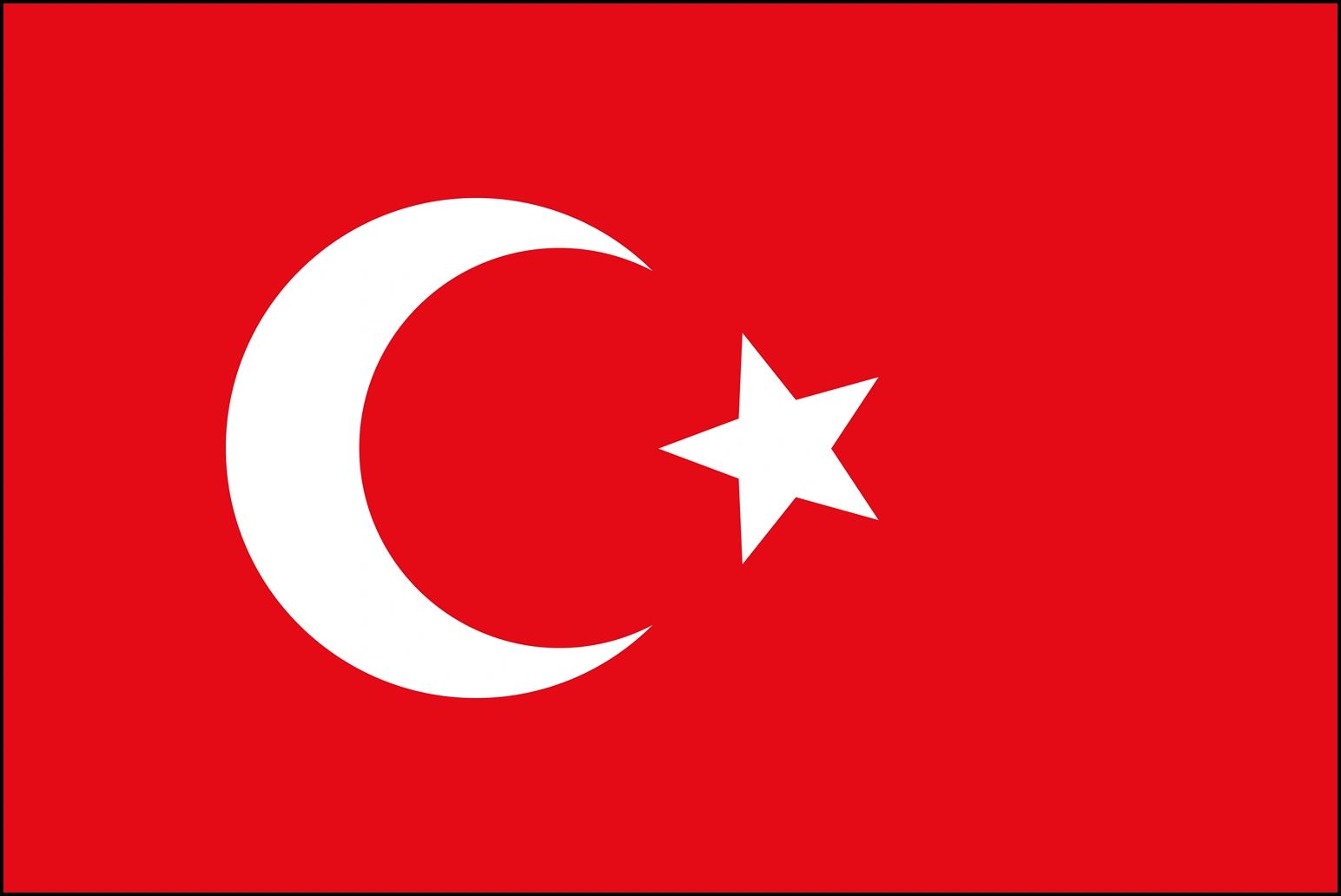
Ottoman Empire
In 1900, the power later known as Turkey is still the Ottoman Empire.
It is an old empire under pressure, but its position remains enormously important. The Ottoman state controls the straits linking the Black Sea and the Mediterranean. It sits between Europe, Asia, and the Middle East. Its naval situation touches Russia, Greece, Italy, Britain, and the wider politics of the eastern Mediterranean.
The Ottoman navy has history and prestige, but modernisation is difficult. Money, administration, technology, and political instability all complicate reform. Old ships cannot simply be wished into modern ones, and new ships require more than purchase orders. They need crews, maintenance, dockyards, training, and political commitment.
Even weakened, the Ottoman Empire cannot be ignored.
Control of the straits gives it a strategic importance far beyond the size of its fleet.
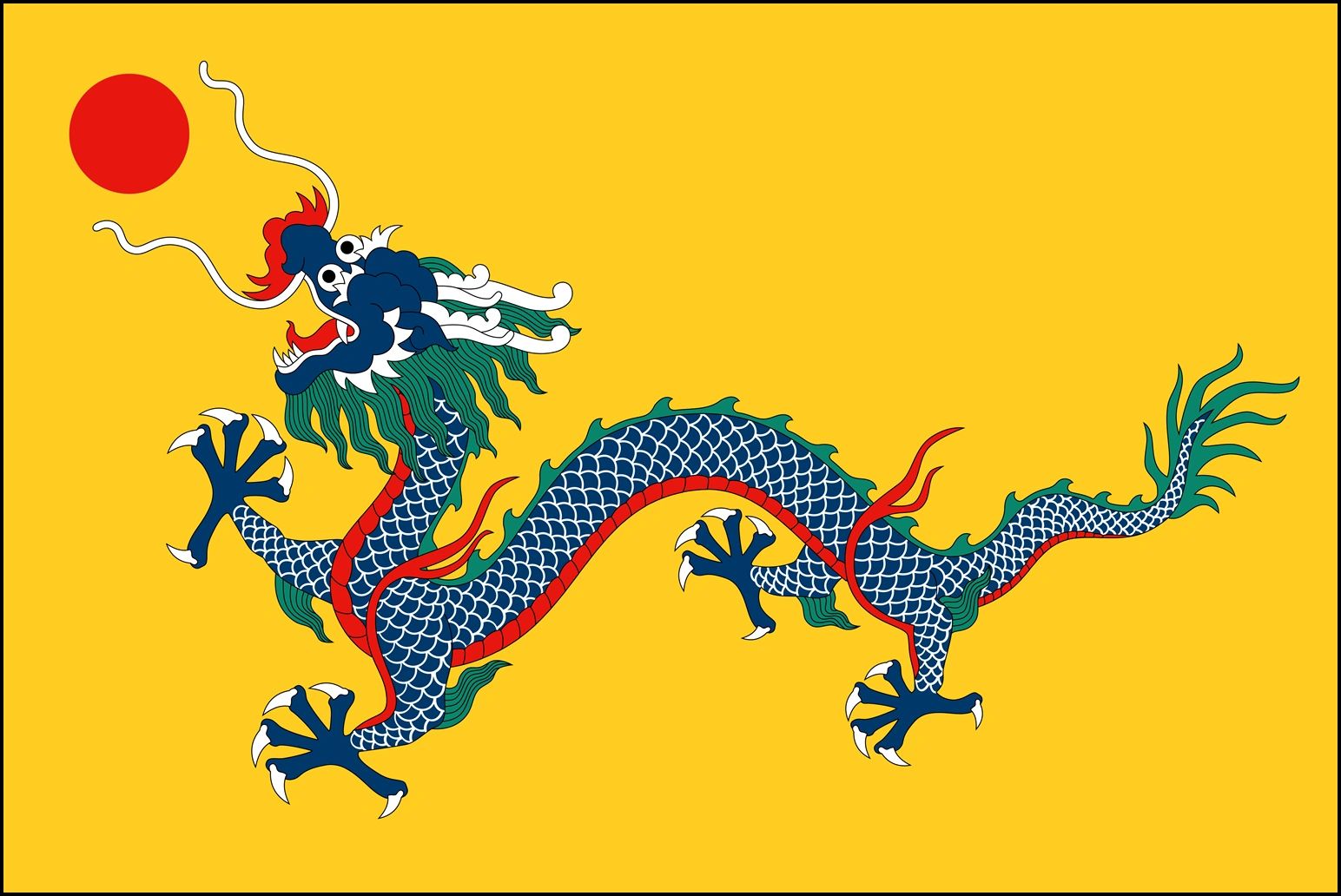
China
China enters 1900 as the Qing Empire: vast, ancient, and under immense pressure.
Foreign powers have carved out spheres of influence, treaty ports, concessions, and privileges. Internal unrest and external intervention have weakened the authority of the state. The Boxer crisis at the turn of the century shows how vulnerable China has become to foreign military power.
China has enormous potential, but potential is not the same as strength.
A modern navy requires industry, dockyards, trained crews, weapons, officers, administration, and stable finances. In 1900, all of these are difficult. China’s coastline is long, its rivers are vital, and its political situation is fragile.
China begins the century as one of the great unanswered questions of the naval world.
If it can modernise, it could become a major force.
If it cannot, others will decide its future.
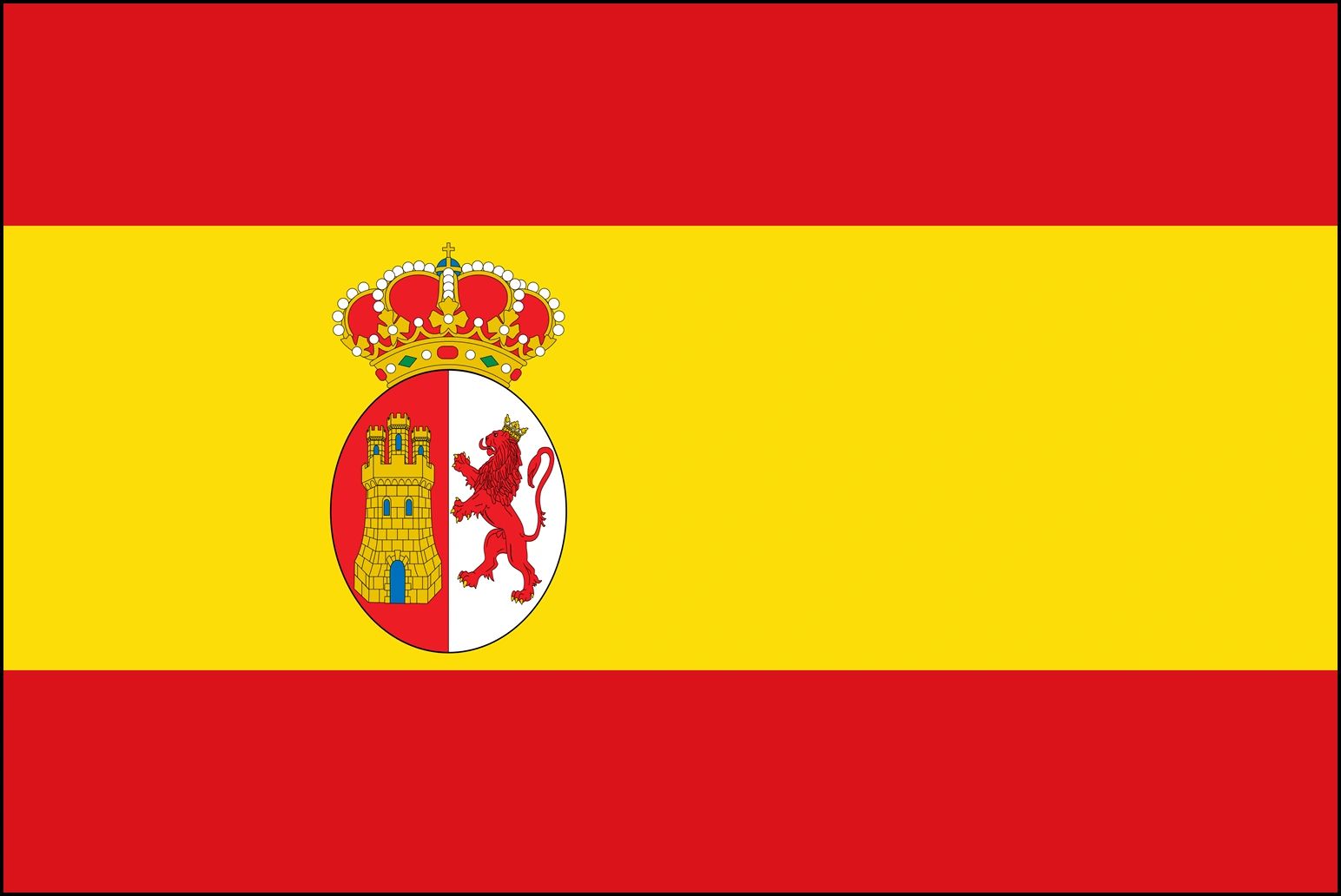
Spain
Spain begins the century after disaster.
The Spanish-American War of 1898 destroyed much of Spain’s remaining overseas empire and exposed the weakness of its navy. Cuba, Puerto Rico, the Philippines, and Guam were lost. Spain entered the new century no longer a first-rank naval power.
But defeat is not disappearance.
Spain still has shipyards, officers, coastline, and a long maritime tradition. Its strategic position has changed, but the need for a credible navy remains. The old empire is gone, yet Spain still faces the Atlantic, the Mediterranean, and the question of how to rebuild national confidence after a humiliating defeat.
Spain begins 1900 in recovery.
Its navy carries the weight of what was lost, and the possibility of what might still be rebuilt.

Chile
Chile is one of South America’s strongest naval powers.
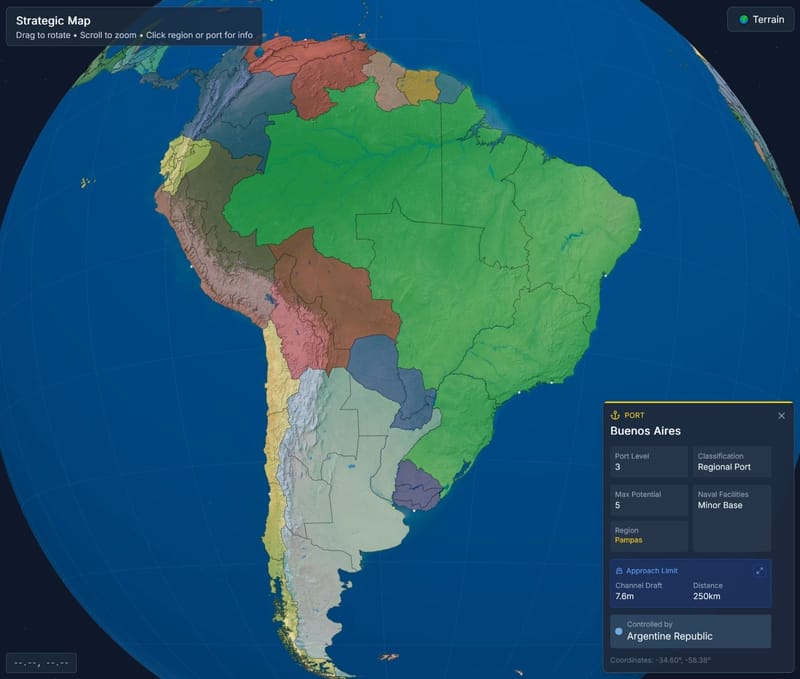
Its geography gives the sea unusual importance. Chile’s long Pacific coastline makes naval strength essential for defence, communications, and regional influence. Its rivalry with Argentina has already shaped military and naval planning, while Brazil’s ambitions add another dimension to South American politics.
Chile does not require a navy built for global supremacy. It requires one strong enough to command respect in its own region.
In South America, the naval balance can shift quickly. A few modern ships may decide whether a country feels secure, threatened, or forced to respond. Prestige, deterrence, and national pride are closely linked.
Chile begins the century as a serious regional power.
Its fleet is measured not against the world, but against the neighbours that matter most.

Brazil
Brazil is large, ambitious, and eager for recognition.
It has a vast coastline, considerable resources, and aspirations to lead South America. Naval strength is one way to make that ambition visible. A modern fleet can signal national progress, regional authority, and international status.
Brazil’s challenge is turning scale into sustained naval power.
Large ships are expensive to buy, maintain, crew, and modernise. Prestige can be gained quickly, but keeping a modern navy effective requires long-term commitment. A great warship is not only a symbol. It is an ongoing financial and technical obligation.
Brazil enters the century with the ingredients of a major regional power.
Its navy is a statement of what the country intends to become.
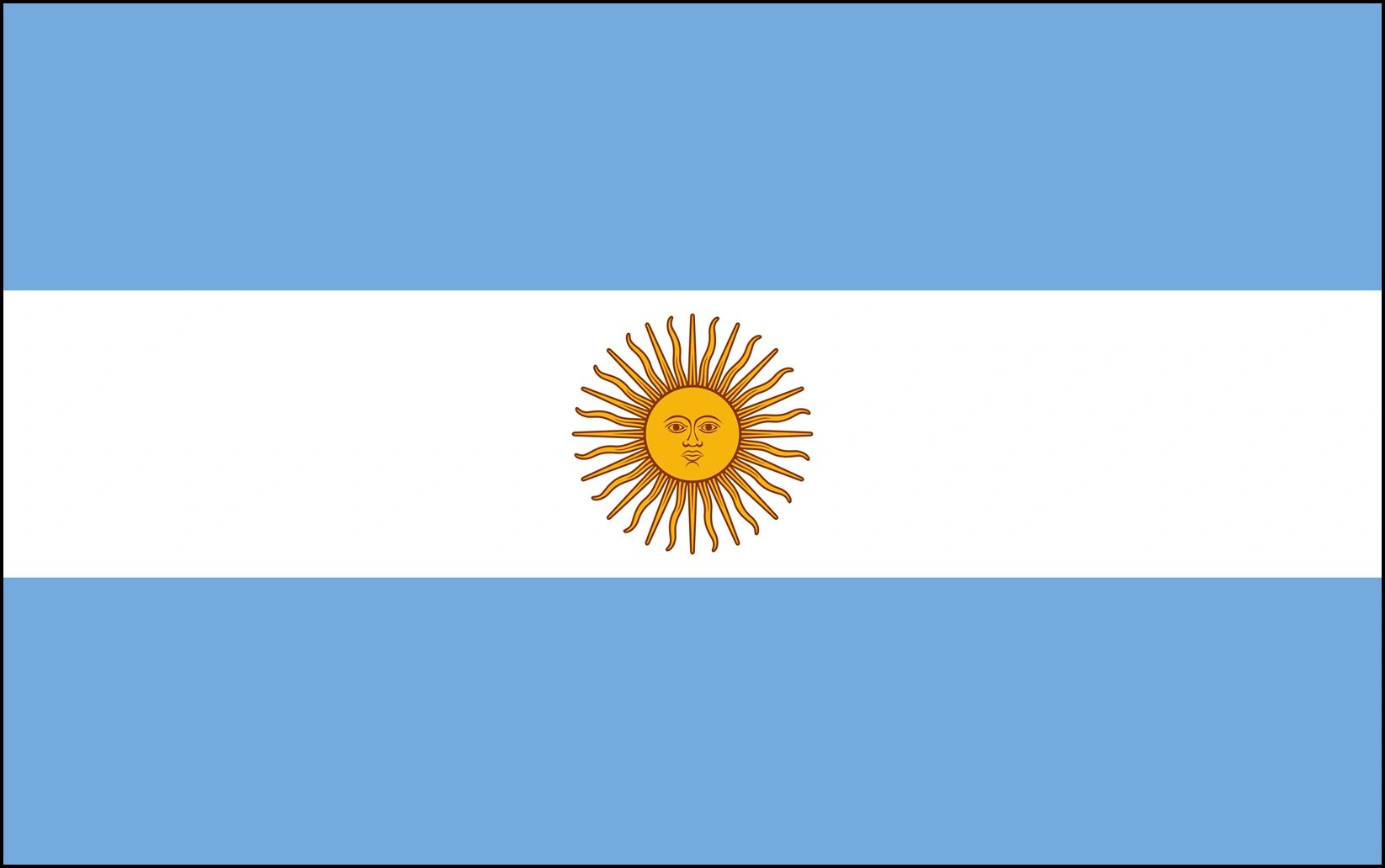
Argentina
Argentina is wealthy, ambitious, and central to the naval balance of South America.
Its rivalry with Chile has already made warship purchases politically important. Brazil’s ambitions add further pressure. In this environment, naval competition can move quickly. A single new battleship or armoured cruiser may force every neighbour to reconsider its own plans.
Argentina does not need the largest fleet in the world.
It needs a fleet that preserves regional balance, protects national prestige, and prevents rivals from gaining an advantage. That makes naval policy tense. Too little construction risks weakness. Too much may burden the country with ships it does not truly need.
Argentina begins 1900 in a South American naval triangle.
Every major ship is watched carefully.

Greece
Greece is a small country with a deeply maritime position.
The Aegean, the eastern Mediterranean, and rivalry with the Ottoman Empire shape Greek naval thinking. Sea control matters for islands, trade, mobilisation, and national security. Greece cannot match the great powers ship for ship, but it does not need to.
Its naval problem is local, immediate, and vital.
In the confined waters of the Aegean, the right ships in the right place can matter more than raw tonnage. Speed, coastal knowledge, training, and timing all count. A small navy can still have a large political effect when the sea itself is central to national survival.
Greece begins the century with limited resources but a clear maritime purpose.
Its navy is small, but its sea is vital.