The Dreadnought Revolution
In 1906, a single ship made every battleship afloat obsolete.
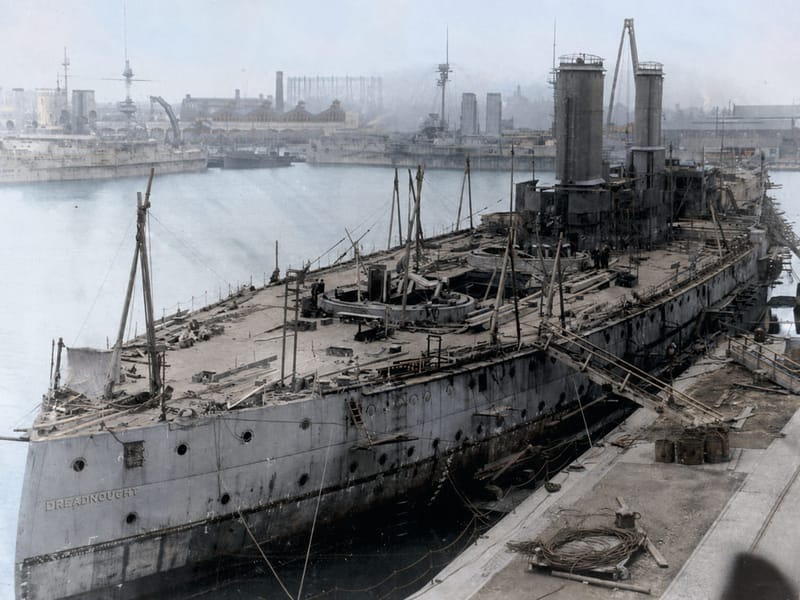
HMS Dreadnought did not invent the ideas she carried. Turbines had been to sea before her, and the all-big-gun ship had been argued for in three navies. What she did was bring the ideas together so completely that, the day she commissioned, every other battleship in every navy - including the scores that flew the White Ensign - became second-class. A new word was needed for them: pre-dreadnought.
Setting the Scene left the world of 1900 with the pressures for a revolution building, and the revolution itself not yet arrived. This is what it looked like when it came.
The world before
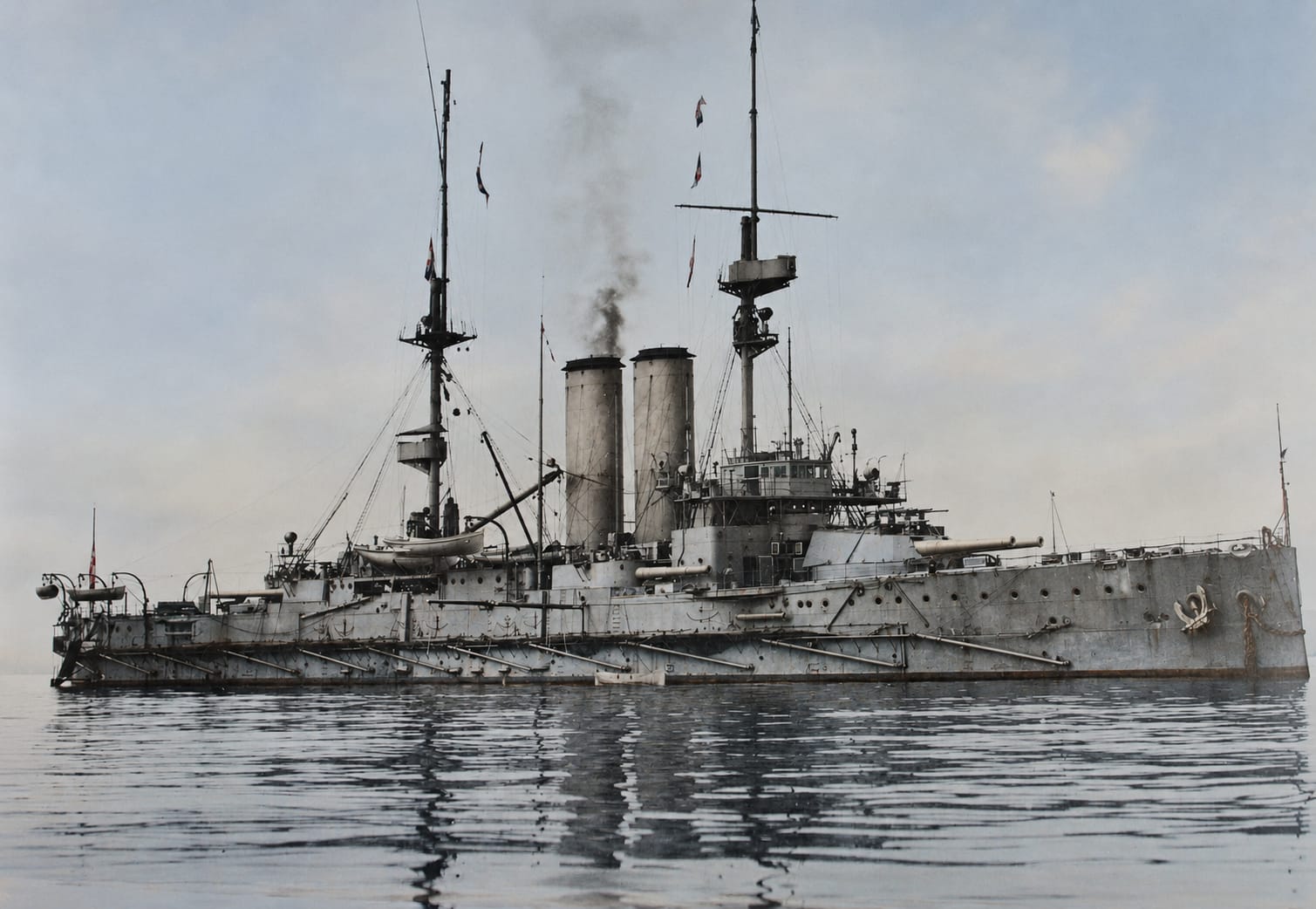
A battleship in 1900 was a compromise written in guns.
It carried a few large ones - usually four 12-inch, in turrets fore and aft - and around them a numerous secondary battery of medium guns, 6-inch and up, mounted along the hull. The reasoning was sound for its day. Battle was expected at short range, a few thousand yards, where fast-firing medium guns told as much as heavy ones, and a storm of shells might do more than a handful of big hits.
It made for ships that were broadly comparable - and so navies counted their strength in them, ship for ship, with Britain at the top of the count. It was a settled order. It did not last the decade.
The pressures building
The order was already under strain before Dreadnought was drawn, and the strain came mostly from range.
Gunnery was reaching further every year - better sights, better rangefinders, the first steps toward centralised fire control - while the torpedo pushed fleets to keep their distance in the first place. Battle was drifting outward, from a few thousand yards toward ten thousand and beyond, and at those ranges the medium guns could not reach. The mixed battery was becoming dead weight.
There was a subtler problem too. Aiming at long range meant watching where your shells fell and correcting - spotting the splashes. A ship firing three or four calibres at once threw up a confusion of them, and no gunnery officer could tell a 12-inch fall of shot from a 9.2-inch. A single, uniform, big-gun armament solved that at a stroke: every splash the same, every correction clean.
None of this was a British secret. The Italian engineer Vittorio Cuniberti had sketched an all-big-gun ship in Jane’s Fighting Ships in 1903. The Americans were designing one. The Japanese, fresh from destroying a Russian fleet at long range at Tsushima in 1905, had learned the lesson at first hand.
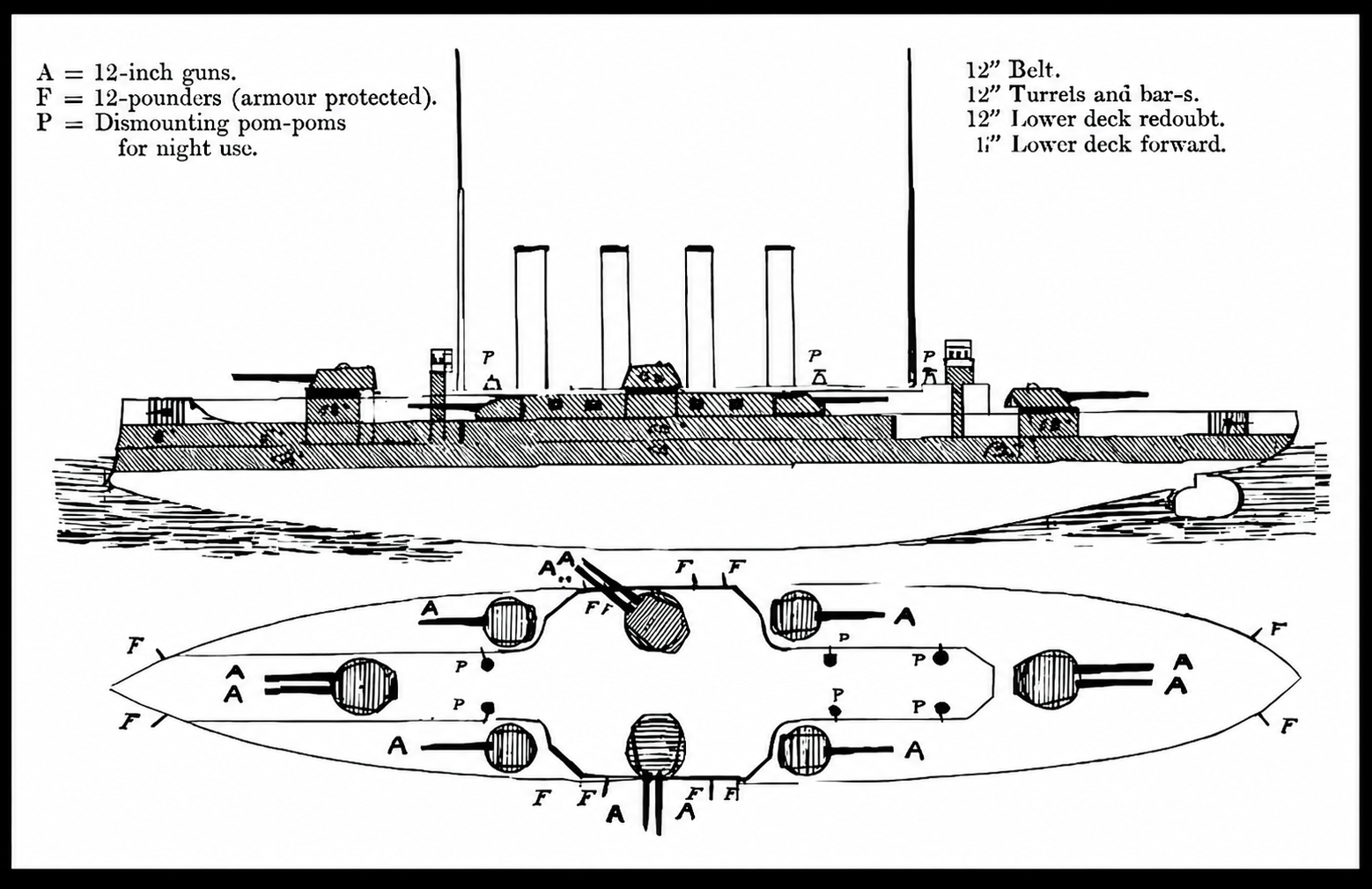
The all-big-gun ship was an idea whose time had come. Britain’s achievement was not to think of it, but to build it first - and faster than anyone believed possible.
Fisher’s gamble
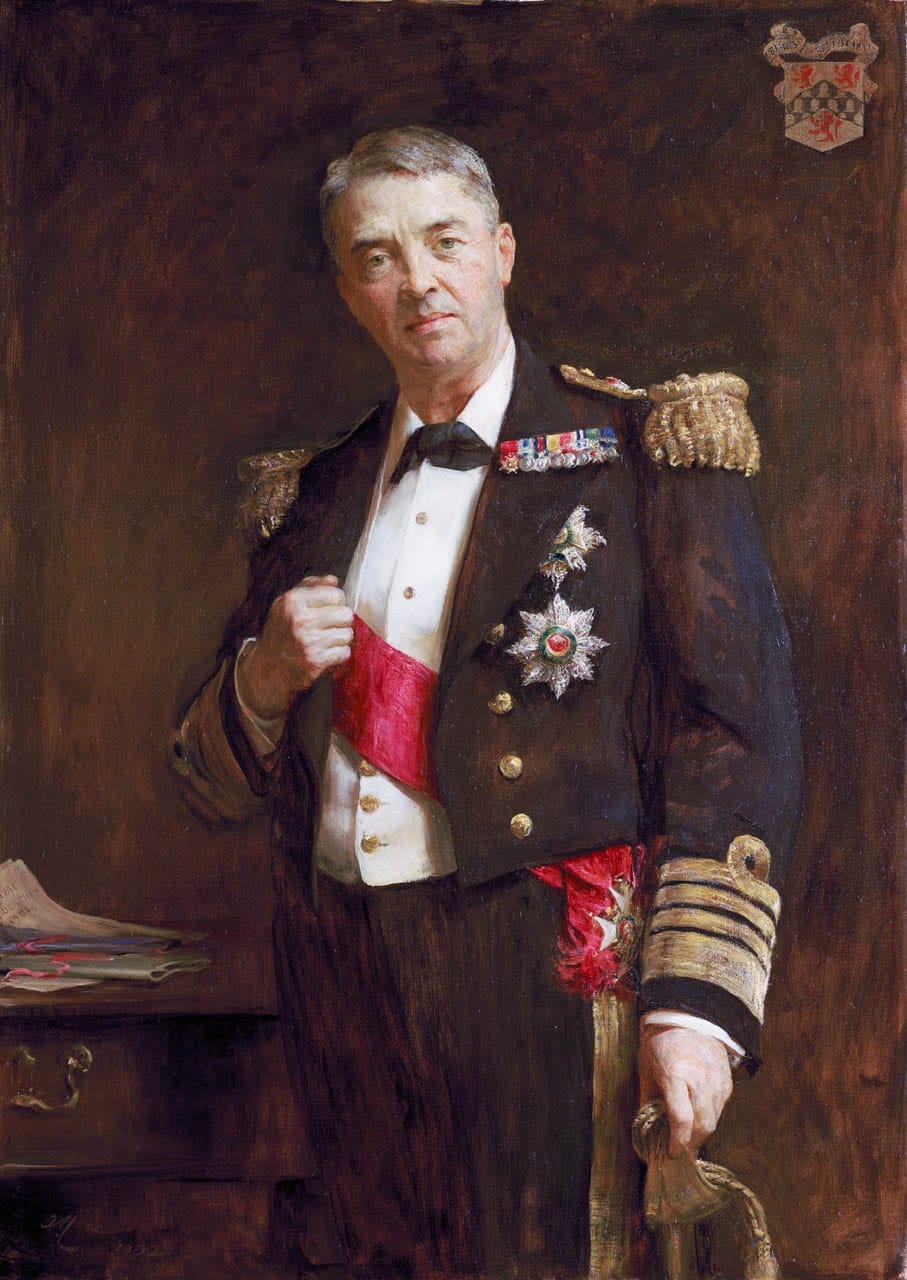
The man who forced it through was Admiral Sir John Fisher - “Jacky” Fisher - who became First Sea Lord in 1904 with a reformer’s contempt for anything slow, old, or comfortable.
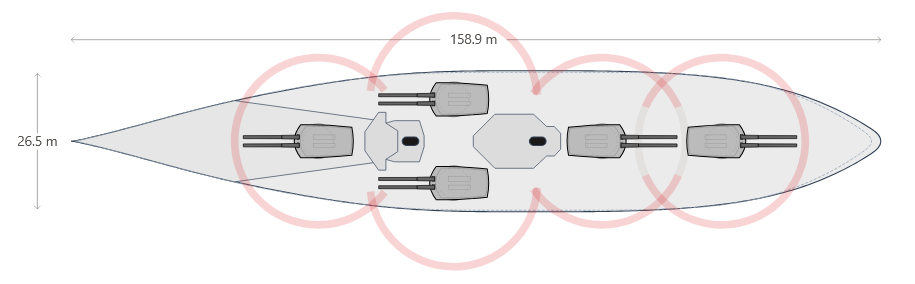
Dreadnought was laid down in October 1905 and completed about a year later, a pace meant to be noticed. She carried ten 12-inch guns where her predecessors carried four, and steam turbines drove her - the first capital ship so powered - giving 21 knots and the reliability to hold it. She could out-shoot any two battleships afloat and outrun all of them.
She was, quite literally, a new class of ship. Everything before her was now the old one.
The paradox
Here is the strange heart of the story.
The world’s largest fleet of pre-dreadnoughts was British. By launching Dreadnought, Britain declared that all of them - her own included - no longer counted for much. The careful arithmetic that had kept her on top was reset almost to zero. Every naval power now started the new race at the same line, and Britain’s decades of accumulated lead were suddenly worth far less than they had been the day before.
Critics said so, loudly: Fisher had taken Britain’s greatest asset and devalued it with his own hand.
His answer was a bet on industry. Britain built ships faster, and in greater numbers, than any rival; if the world had to start over, she would out-build everyone in the new type as she had in the old. Better to lead the revolution and set its pace than to wait, follow, and let someone else set it.
It was a gamble with the naval supremacy of an empire as the stake. It is also, more or less, the wager the game asks of you.
The race
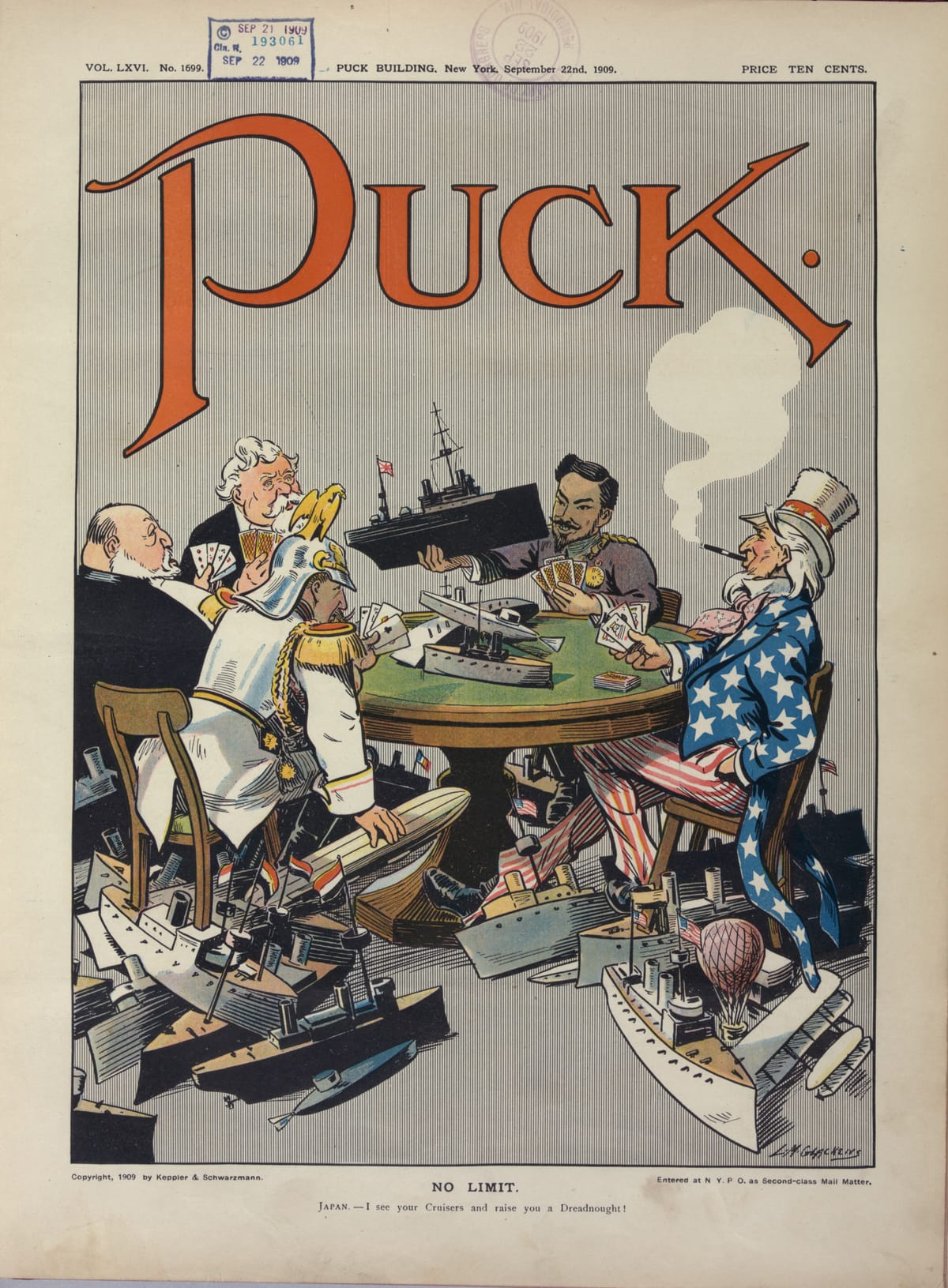
The bet was called almost at once.
Germany answered, and the answer reshaped more than shipyards. Dreadnoughts were too big for the Kiel Canal as it stood, so the canal itself was widened and deepened to let the new fleet pass between the Baltic and the North Sea - years of work, finished only in 1914. The ships were remaking the map to fit themselves.
When it seemed in 1909 that Germany might be building faster than Britain, the response was not quiet diplomacy but a slogan: “We want eight, and we won’t wait.” The public wanted eight new dreadnoughts; the government laid down eight. Battleships were front-page politics now, argued in parliaments and newspapers, and counted by people who had never seen the sea.
The escalation
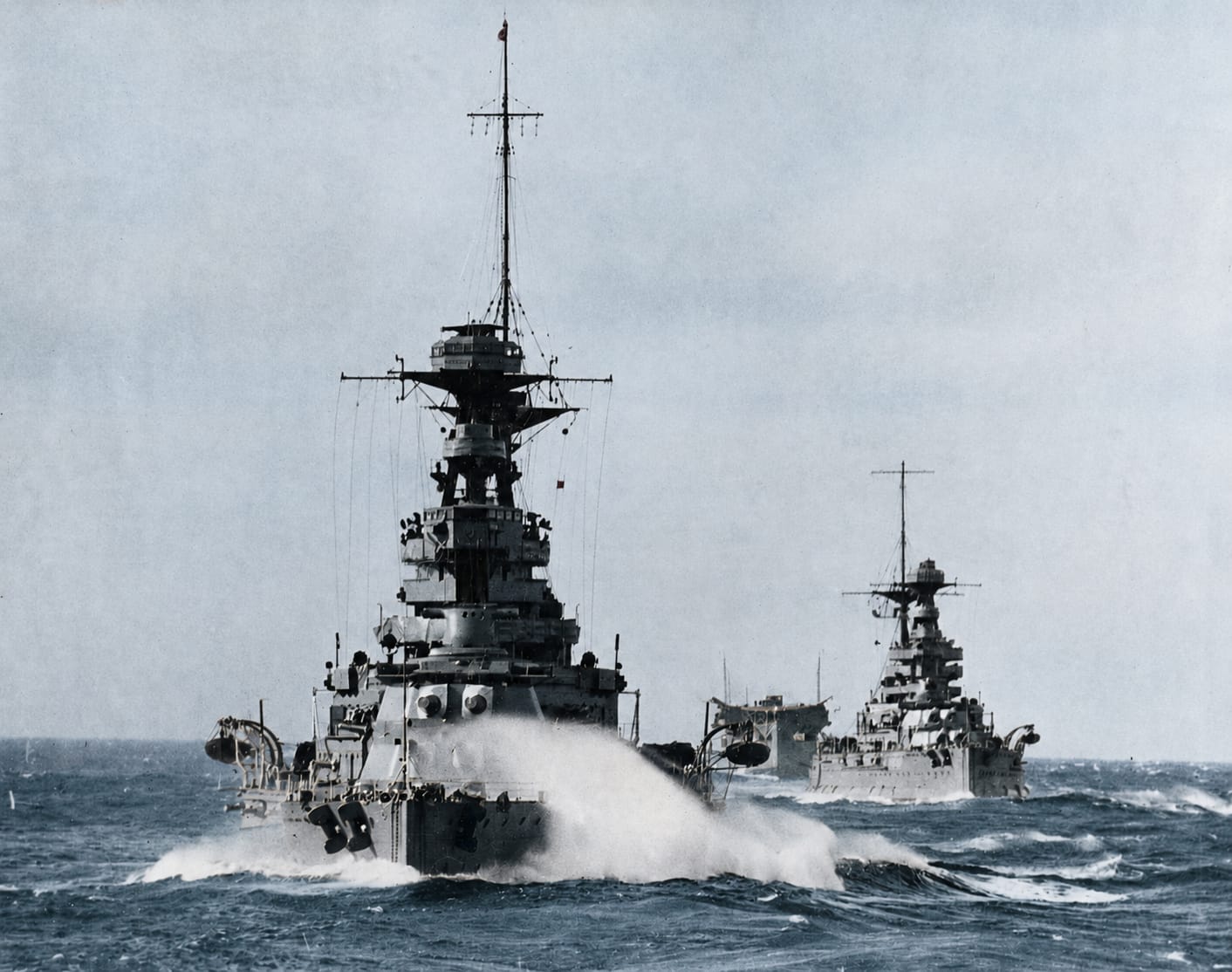
The cruellest turn of the revolution was that it did not spare its own children.
Dreadnought’s advantage did not last, because the logic that produced her did not stop. Fisher had already added an idea of his own, almost before her paint was dry - the battlecruiser, a dreadnought’s guns on a hull built for speed instead of protection, a bet on hitting first and hitting hard. And within a few years came the super-dreadnoughts, with 13.5-inch guns and then 15-inch, each generation making the last look modest.
Ships laid down as the last word were second-rate by the time they commissioned. The pace never settled. A navy could not build its fleet once and be done; it had to keep designing, keep building, and keep paying - or fall behind, where the whole world could see it.
The world you inherit
This is the era Naval Estimates: The Dreadnought Age begins in: 1900, on the eve of the leap, with the old order still standing and the revolution about to bring it down.
The first public build puts you where Fisher stood - at the design board, drawing up your navy’s first dreadnought. Not picking it from a list, but designing it: the guns, the armour, the speed, the cost, and the compromises that bind them together. The revolution is the engine of everything the game is about. One design can make your fleet supreme or leave it obsolete on the slipway, and the difference comes down to what you draw, what you can afford, and whether your yards can deliver it before your rivals deliver theirs.
That was the real problem of the dreadnought age.
Now it is yours.